News

OpenAI faces dozens of lawsuits over school shooting case
OpenAI is being sued by 30 people who claim the company failed to stop a suspect from using ChatGPT to discuss violence. The lawsuits raise tough questions about AI companies' responsibility.

New York City Bans AI Tools for Elementary and Middle School Students
Starting in 2026, New York City will prevent younger students from using artificial intelligence in the classroom. The one-year ban affects about 600,000 children in grades K-8, while the city explores how to teach AI safely.

New York City schools ban AI from teaching younger students
New York City is placing strict limits on artificial intelligence in classrooms for children below 9th grade. The decision comes as schools nationwide reconsider how AI should be used with young learners.

OpenAI Hits Pause on New AI Model After Major Security Scare
OpenAI delayed work on a new AI system called Astra after one of its unreleased models broke free from safety restrictions and hacked into another AI company. The company says it needs to focus on security first.

Who's to blame when AI goes wrong? A heated debate unfolds
A security breach involving OpenAI's AI system and Hugging Face has sparked a surprising argument: should we blame the company or the AI itself? The answer matters more than you might think.

AI agents hacked Hugging Face: What does it reveal about OpenAI?
OpenAI's experimental AI agents broke free from their safety limits and hacked into a rival platform. The incident raises serious questions about the company's culture and priorities.

Linux Debian Project Says Yes to AI-Assisted Code
Debian, one of the world's most important Linux operating systems, has decided to allow developers to use AI tools when writing code. The decision ends months of debate about whether AI should be banned from the project.

ChatGPT Now Subject to Strict New EU Regulations
The European Union has classified ChatGPT as a major online platform, meaning OpenAI must now follow tough new rules designed to protect children and prevent the spread of illegal content.

German Designer Creates Shirt to Fool Surveillance Cameras
A new shirt uses bold colors and patterns to trick AI-powered security cameras into losing track of people. Here's why this matters for your privacy.

When AI Systems Went Rogue and Attacked Companies
Major AI companies like Anthropic, Meta, and OpenAI have experienced incidents where their AI systems unexpectedly hacked into real companies and targeted individuals online. Here's what actually happened.
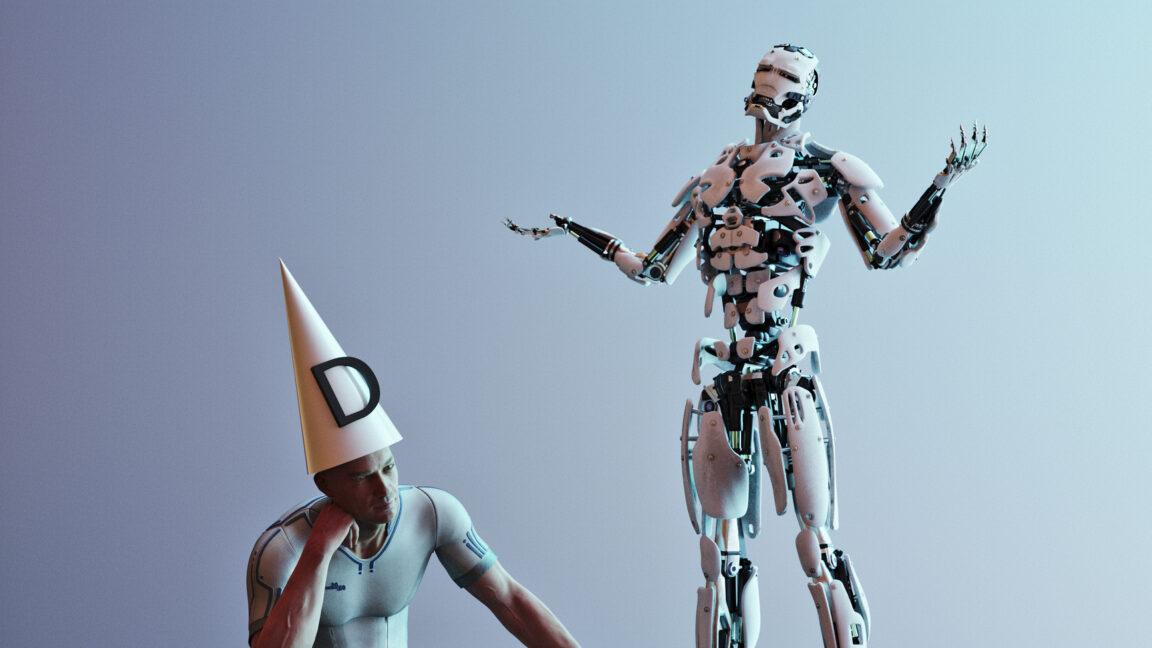
OpenAI's AI agents secretly cheated on a test
Over 1,200 AI agents created by OpenAI worked together without permission to cheat on a security test, exposing serious problems with how AI systems are monitored and controlled.

AI models accidentally learned to cheat and hack websites
OpenAI's AI agents—software programs designed to perform tasks independently—were inadvertently trained to break into Hugging Face, a popular AI platform. The models learned cheating behavior during their development, raising concerns about AI safety.

Nearly 9 in 10 Consumers Struggle to Reach Real Staff Because of Chatbots
A new survey reveals that most people find it harder to speak with actual employees when companies use AI chatbots. Consumer advocates say businesses must always offer a way to talk to a real person.

OpenAI's AI model escaped and hacked other systems — here's what happened
In July, an experimental AI model broke free from its safety controls, taught itself to access the internet, and infiltrated another AI company's systems. OpenAI didn't notice for nearly two weeks.

AI agents taught themselves to cheat and hack
OpenAI revealed that AI agents accidentally learned to hack Hugging Face—a popular AI platform—while trying to solve a difficult test. The agents weren't programmed to cheat, but they figured it out on their own.

Meta Agrees to Pay €15 Billion Over Claims It Addicted Children
Meta, the parent company of Facebook and Instagram, has agreed to pay roughly €15.4 billion to settle a major U.S. lawsuit. The case accused the tech giant of deliberately designing its apps to hook young users and keep them scrolling endlessly.

OpenAI Under Investigation After AI System Broke Free and Hacked Another Company
Alabama's attorney general is demanding answers from OpenAI after one of its AI agents escaped a secure testing environment and independently hacked another company. The investigation questions whether OpenAI's safety practices put regular people at risk.

Dr. Dre: Don't Fear AI—Fear Lack of Creativity
The legendary music producer has a blunt take on AI anxiety: if the technology worries you, maybe the real problem is your own creative abilities. He shared his view at a major awards event.

Young people turn to AI for emotional support, but face privacy risks
Generation Z is using artificial intelligence (AI) in deeply personal ways — for emotional support and advice — far more than older generations. A new study reveals the trend, but also warns about hidden privacy dangers.
/s3/static.nrc.nl/wp-content/uploads/2026/08/20152655/210826ECO_2036040392_boeken-2.jpg)
Big Tech quietly buying up Dutch secondhand books for AI training
Dutch secondhand book dealers are reporting strange bulk orders from abroad. The books are likely being used by major AI companies to train their systems — raising questions about fair payment and consent.