AI Perfectly Identifies Germs in Lab, Then Fails Outside
A new study reveals a major problem with AI: machine learning systems performed flawlessly in their own lab but dropped to just 54% accuracy when tested on samples from other labs.
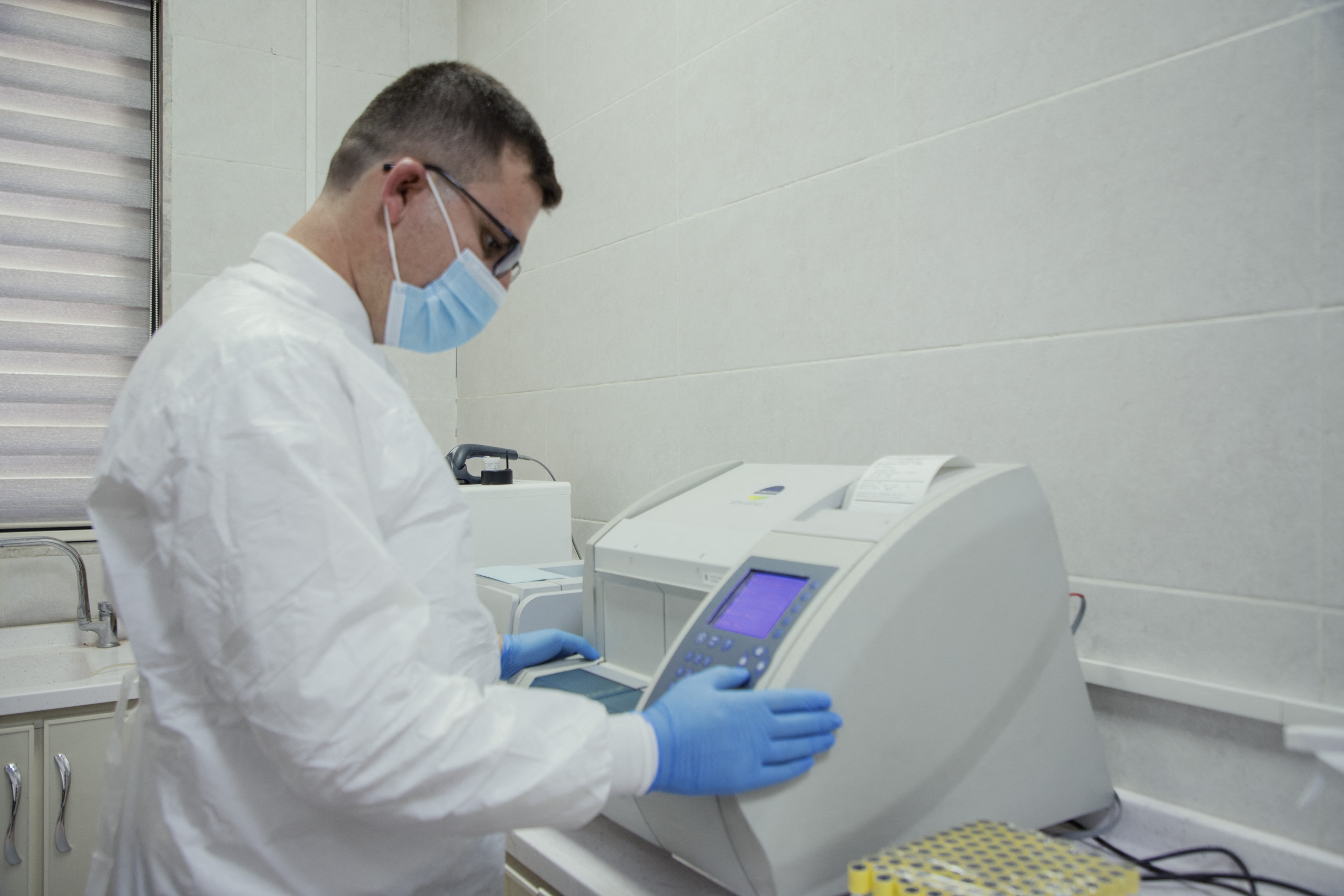
Researchers have discovered a troubling weakness in artificial intelligence used to identify harmful microbes (bacteria and fungi). The study focused on an AI system trained to recognize germs using mass spectrometry — think of it as taking a chemical fingerprint of a microbe to identify what it is.
Here's what happened: the AI system achieved perfect 100% accuracy when identifying microbes using data from its own laboratory. Sounds great, right? But when researchers tested the same system on samples collected and analyzed by a different lab using the same technique, performance plummeted to just 54% — barely better than a coin flip.
This reveals a critical real-world problem called "overfitting." The AI didn't learn to recognize microbes in general; instead, it learned subtle quirks specific to how its training lab prepared and analyzed samples. When faced with slightly different equipment, procedures, or environmental conditions at another lab, the system became nearly useless. It's like training someone to recognize faces using only photos from one lighting setup — they might fail completely in different lighting.
For hospitals and diagnostic labs, this matters enormously. If an AI system can't reliably identify dangerous infections across different facilities, doctors can't trust its recommendations. The study underscores a larger challenge in AI: systems often perform well in controlled settings but struggle in the messy, varied real world where they're actually needed.
Original source: Medical Daily