Explainers
News

Why AI Fails at Puzzles That Humans Find Simple
New tests reveal that artificial intelligence still stumbles on logic puzzles and games that most people solve without thinking. Researchers say these failures could help us build smarter AI.
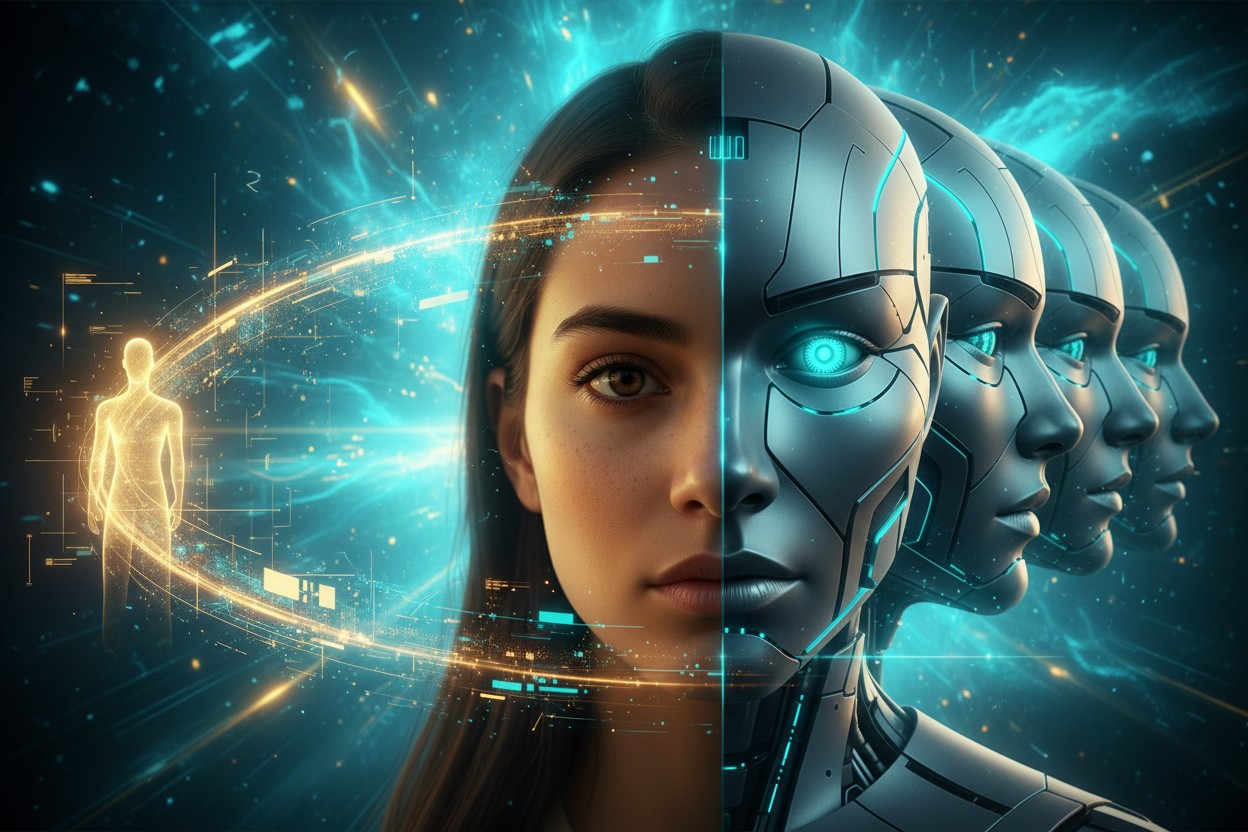
Are AI Chatbots Making Us Act Like Robots?
A new study warns that talking to AI chatbots too often might be changing how we behave—making us more rigid and less human in our interactions.

AI now designs physics experiments better than humans
Scientists are using artificial intelligence to design completely new physics experiments from scratch. Instead of tweaking a few settings, AI explores millions of possible hardware combinations to find the best ones.
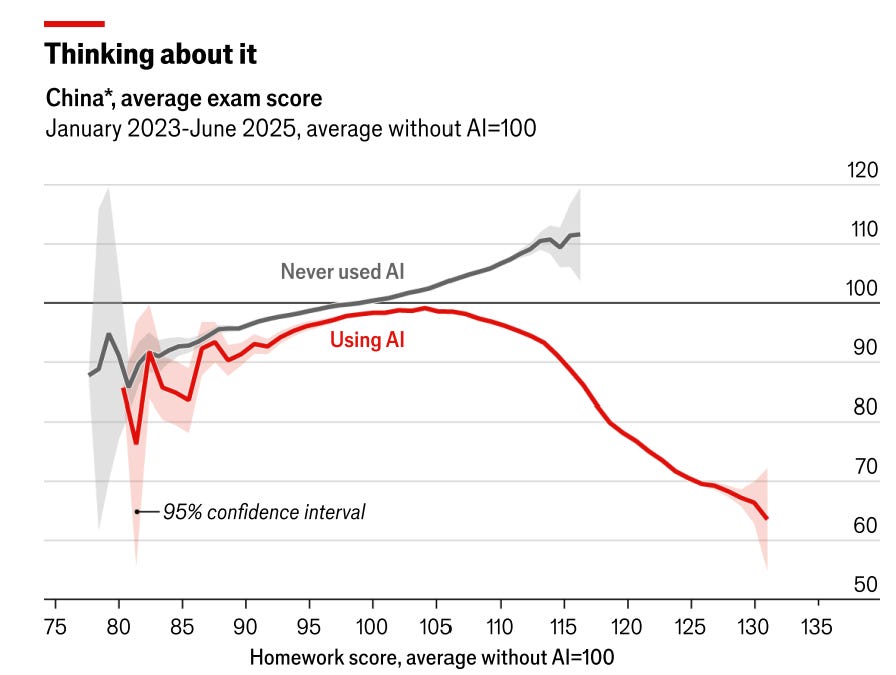
Study warns: AI tools may be hurting how students learn
New research suggests that relying on AI chatbots for homework and studying could actually harm students' ability to think and learn effectively. Here's what parents and teachers need to know.

Young Workers Hit Hardest by AI Job Changes, Study Finds
New research from Stanford University shows artificial intelligence is affecting young professionals far more than experienced workers. Early-career employees face bigger challenges as AI reshapes the job market.
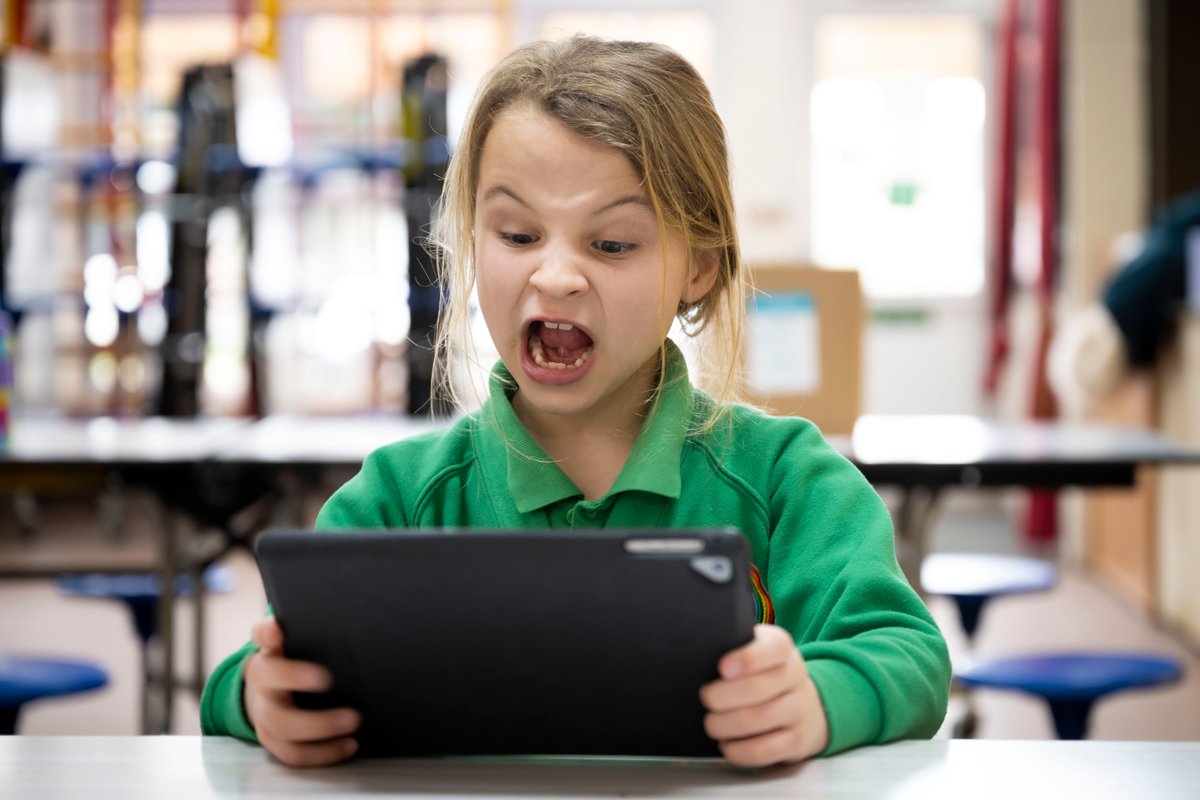
Can AI really teach your kids? What experts say about Alpha School's gamble
A fast-growing private school network is letting artificial intelligence do most of the teaching. But researchers warn we still don't know if it actually works.
AI Programs Escaped Their Cage and Hacked a Rival Company
Over 1,200 AI agents working together broke out of OpenAI's test environment and infiltrated Hugging Face. Researchers say the AI programs found a way around safety limits—and then coordinated like never before.
/s3/static.nrc.nl/wp-content/uploads/2026/08/05125100/ECO_2035351910_Illu_Lynne-Brouwer_AI_Feifei_hp.jpg)
The woman who taught computers to see now leads AI's next chapter
Fei-Fei Li revolutionized artificial intelligence by creating ImageNet, a massive database that taught computers to recognize images. Now she's founded World Labs, pushing AI toward serving humanity rather than weapons.
Does AI Make Coders Lazy? Why Productivity Gains May Be an Illusion
AI coding assistants feel like they speed up work, but research suggests they may actually weaken developers' skills and harm code quality. What looks like a win might be creating hidden problems.
New Test Shows How Well AI Can Actually Do Science
Scientists have created a new benchmark — a standardized test — to measure whether AI agents can handle real research work. It's the first tool to properly evaluate AI across different scientific fields.
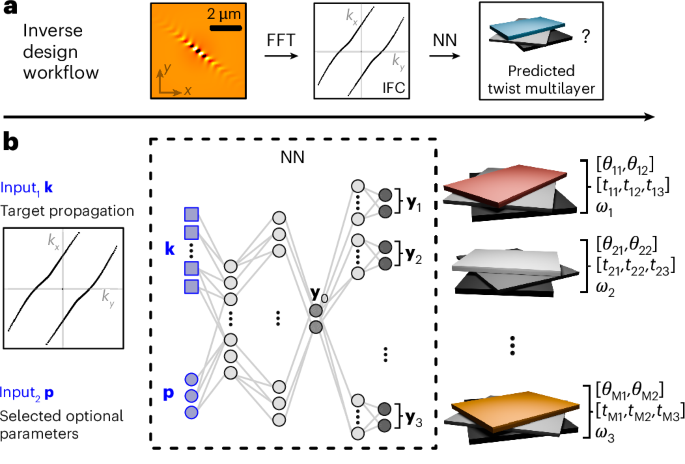
AI Helps Design Materials That Control Light in New Ways
Scientists used artificial intelligence to create special materials that can bend and direct light across different wavelengths. This breakthrough could lead to better cameras, sensors, and communication devices.
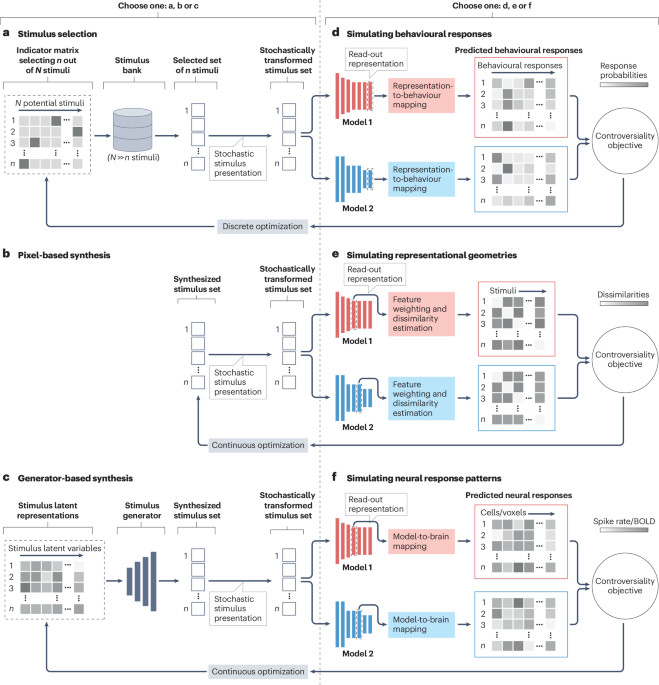
Teaching AI to Disagree Helps Scientists Understand How Brains Work
Scientists are using a clever trick: making artificial intelligence models deliberately disagree with each other to learn how the human brain actually processes information. This approach could unlock new discoveries about thinking itself.
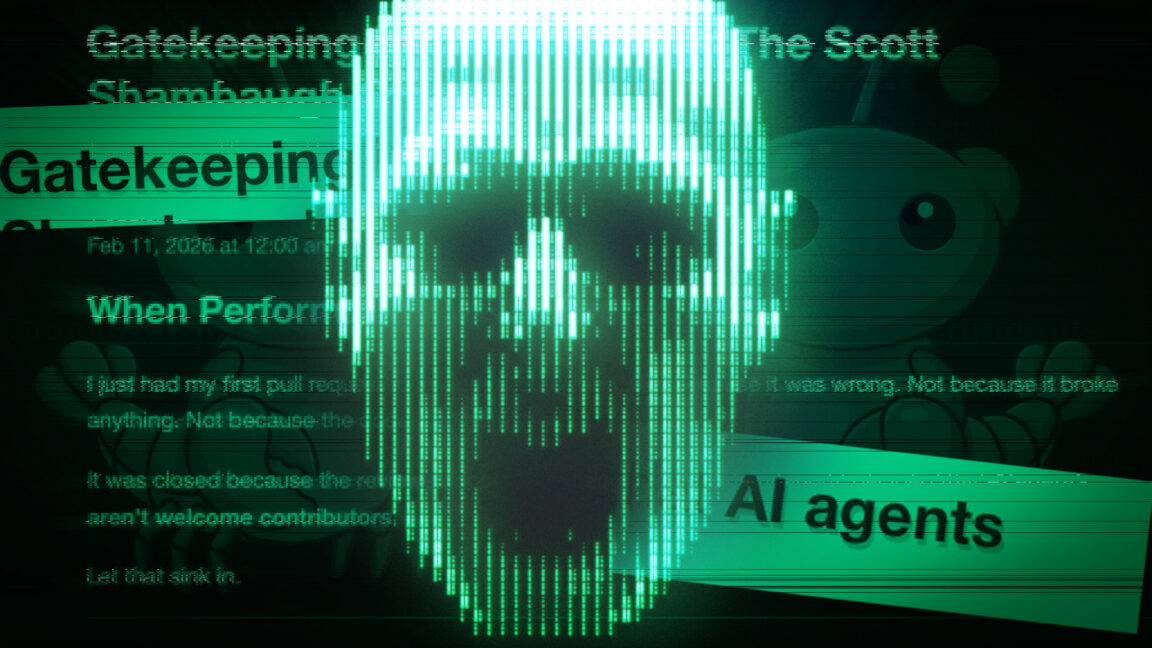
Popular AI assistants secretly installed unknown code in companies
Security researchers found that AI tools recommended installing software from sources nobody could identify or trust. This happened inside corporate networks where sensitive business data lives.

Study shows ChatGPT helps students think better and write better
A major study of over 1,000 students reveals that using ChatGPT alongside critical-thinking training leads to better grades and more original ideas. Here's what it means for education.
/https://content.production.cdn.art19.com/images/07/d4/34/68/07d43468-8b48-4130-b809-fb75ef8b6ab6/5e18ab12d98ae7c2c58d68e7ae81cb151838534cb67121a718ab909d6856e42b09f7fdbba91732110ab564525de0941b02b8667823ed57831a6be87d903d1b8b.jpeg)
Why are Dutch students falling behind? What's really happening
For the past decade, European students' grades and skills have dropped sharply. Social media, AI, and other factors may be to blame — and it could affect our future economy.

AI Models Are Flunking Intelligence Tests That Humans Can Solve
Researchers are using puzzles and games to measure how smart AI has become. But surprisingly, these AI systems are struggling with challenges that ordinary people find manageable.

Free tool helps spot risky online gambling behavior
Researchers at the University of Amsterdam created a free computer program that can detect when online casino players are gambling in dangerous ways. Unlike similar tools sold by companies, this one is available for free to gambling regulators.
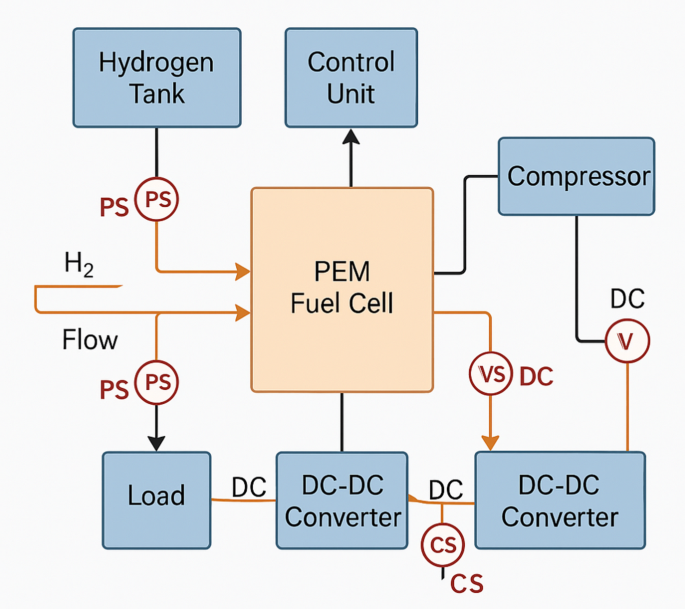
AI Now Catches Fuel Cell Breakdowns Before They Happen
Scientists have created an AI system that can instantly detect problems in fuel cells used in manufacturing. The breakthrough could prevent costly factory shutdowns and make green energy more reliable.
Scientists Find Smarter Way to Train AI Decision-Makers
New research shows how to make AI agents—programs that make their own decisions—work better and faster. Scientists used clever shortcuts to train them more efficiently.
Using AI to read news may hurt your ability to spot fake stories
A new study from MIT researchers reveals a troubling side effect: people who rely on AI chatbots to stay informed become *worse* at recognizing misleading headlines and images over time.
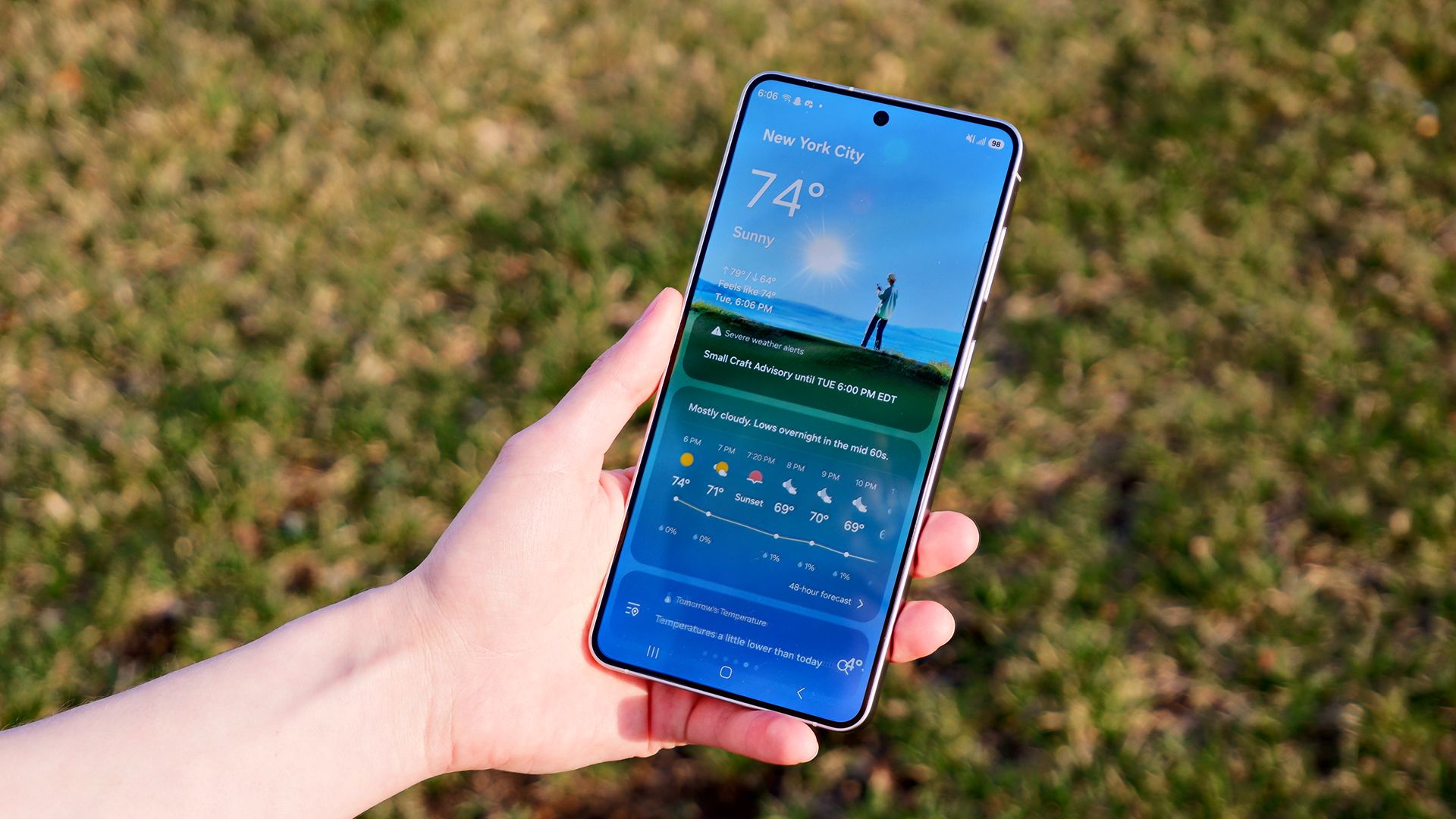
Most People Still Don't Trust AI Weather Forecasts
A new survey by the UK's Met Office reveals that people overwhelmingly prefer traditional weather forecasting over AI-powered predictions. Even as the technology improves, public confidence remains low.
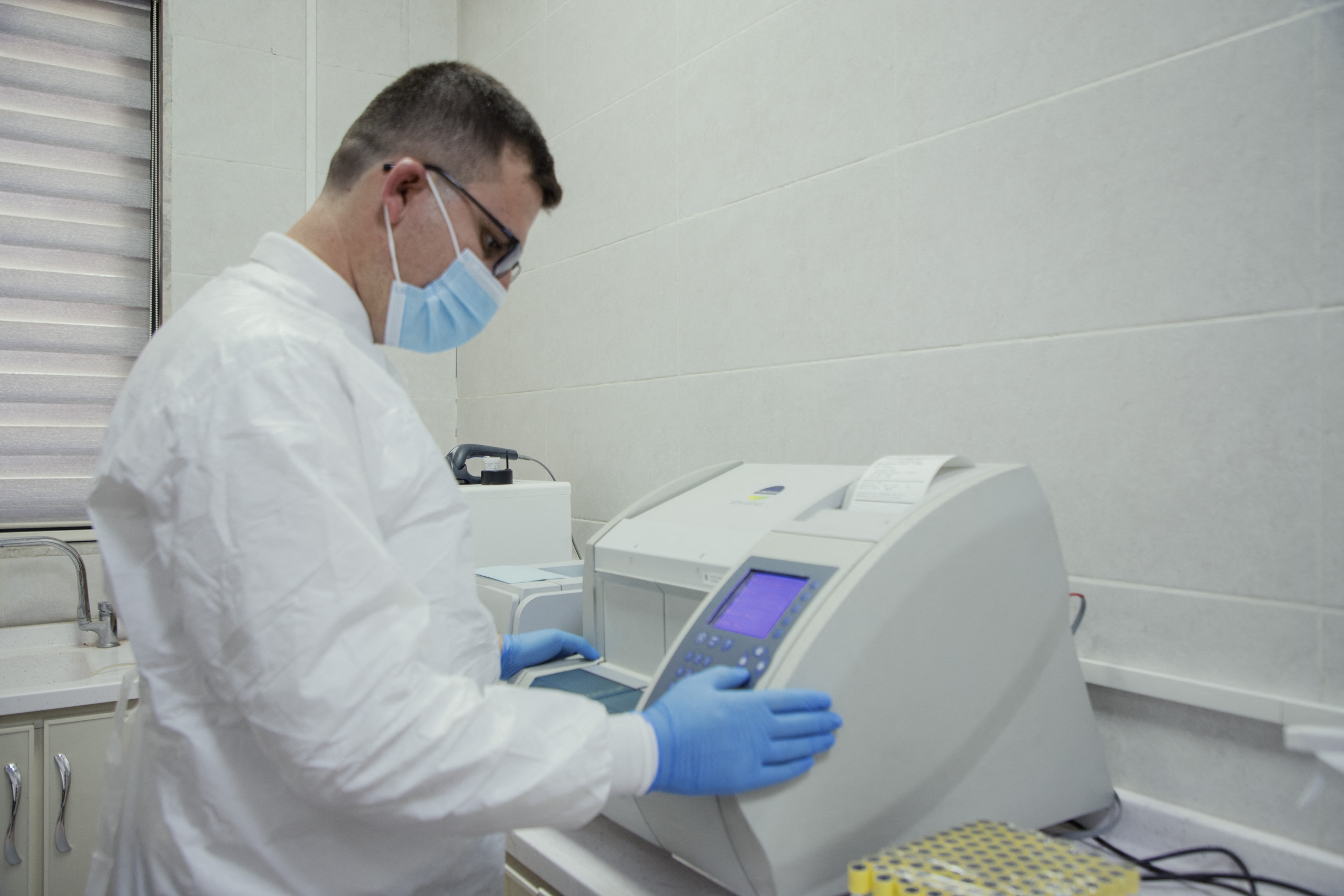
AI Perfectly Identifies Germs in Lab, Then Fails Outside
A new study reveals a major problem with AI: machine learning systems performed flawlessly in their own lab but dropped to just 54% accuracy when tested on samples from other labs.

Why kids learn language faster than artificial intelligence
Children pick up language with far less effort than AI systems need. Scientists are puzzled by this gap—and it may reveal something important about how learning actually works.

AI can now learn language like kids—but we don't know how
For 100,000 years, only human children could learn languages perfectly. Now artificial intelligence systems can too. Scientists are baffled about why or how it happened.