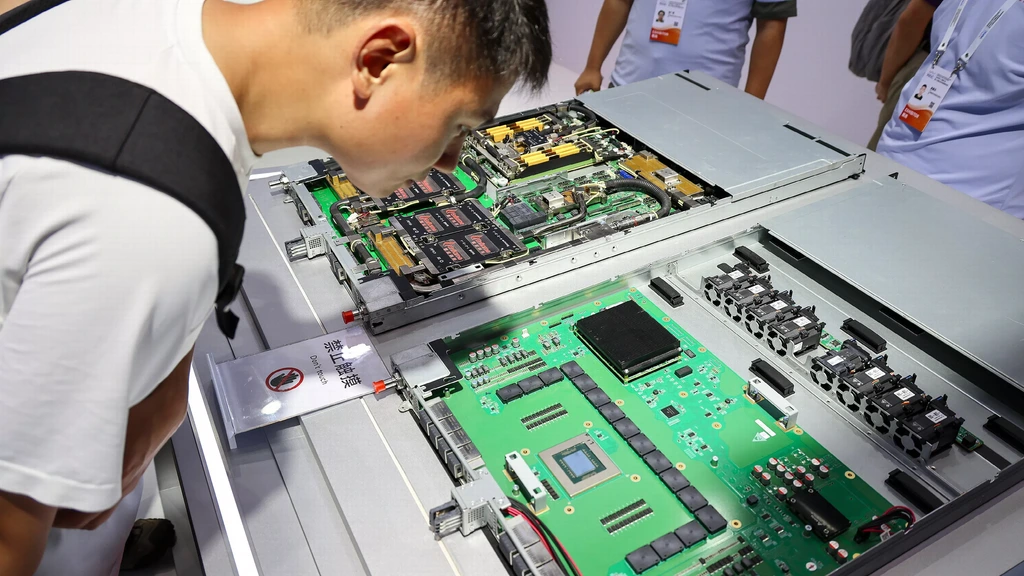
Netherlands launches €40 million race to build greener AI chips
A new Dutch innovation agency is offering millions to teams who can design AI chips that use far less electricity. The competition reflects growing concern about how much energy artificial intelligence is consuming.
The Problem: AI is Hungry for Power
Artificial intelligence is becoming incredibly powerful — but it's also becoming a power hog. Training and running AI systems requires massive amounts of electricity, which is expensive and bad for the environment. "It's like going grocery shopping with a moving truck," says Jelle Prins, one of the founders of a new Dutch government agency. Right now, Europe relies almost entirely on AI chips made in the United States and Asia, which means we're dependent on others for this crucial technology.
A New Government Bet on Innovation
Netherlands just created a new agency called NADI (the National Agency for Disruptive Innovation) to fund risky ideas that private companies won't touch. Today it announced a competition: design an energy-efficient AI chip, and we'll fund you. Working with Germany's innovation agency, NADI is offering €40 million total. Seven teams will be chosen and each gets €2.6 million to develop their ideas. After eight months, the three best teams each win an additional €7 million. This approach is inspired by DARPA, an American defense agency that has funded breakthroughs like GPS and self-driving cars for nearly 70 years.
Why This Matters for Europe
Europe has world-class chip-making factories (thanks to a Dutch company called ASML), but almost no European-designed AI chips are actually being manufactured there. This competition aims to change that. If successful, it could help Europe become independent in AI technology instead of always buying from the US or Asia. The government is putting €500 million into NADI overall, though some experts argued it should be even more. Teams can apply until November 30th.
The Long Game
One word of warning from the German innovation experts: patience. Breakthrough innovations can take 10 or 15 years to pay off. That's a long time for politicians to stick with a plan without seeing results. But if NADI can help solve major problems or create entirely new industries, supporters say it will be worth the wait.
Original source: NOS Nieuws Tech