New AI Tool Reads Complex Biological Data More Accurately
Scientists have created SCIGMA, an AI system that can analyze multiple types of biological information at once. It helps researchers understand tissue structure and disease patterns more clearly.
What is SCIGMA?
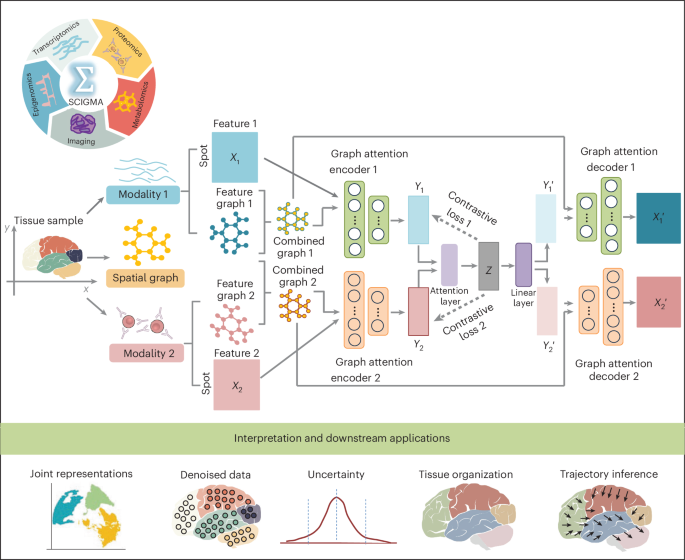
Researchers have developed a new artificial intelligence tool called SCIGMA that can process several different types of biological data simultaneously. Think of it like a translator that can read five different languages at the same time and understand how they all connect to each other.
Why Does This Matter?
When scientists study diseases like cancer, they need to look at many kinds of information about human cells and tissues. Until now, combining all this information together was messy and often lost important details. SCIGMA changes this. It can integrate up to five different types of biological measurements — what researchers call "spatial omics modalities" — while keeping each one clear and accurate. This is similar to how you might combine photos, sound, and temperature readings from a room and still understand each piece separately, not as a blurry mix.
Real-World Impact
The system is flexible and scalable, which means it can work on small studies or be expanded to analyze enormous datasets without breaking down. For doctors and researchers, this could mean faster, clearer understanding of how diseases develop in specific locations within the body. It also helps researchers trust their results because SCIGMA shows where it's confident and where it's uncertain — like when a weather forecast tells you it's 70% sure it will rain tomorrow.
Original source: Nature.com