US and China race to lead the AI revolution
As Trump and Xi meet in Washington, both nations are locked in a competition to dominate artificial intelligence. The winner will gain enormous economic power—but the two countries are taking very different paths.
Why should you care about AI leadership?
Artificial intelligence (AI) is computer technology that can recognize patterns, analyze situations, and solve problems much faster and better than older systems. Think of it as software that learns and improves over time. Right now, both America and China believe that whoever leads in AI development will gain huge economic advantages and global power—similar to how countries once competed over oil or space exploration.
Two very different strategies
The United States is betting on speed and freedom. American tech companies like OpenAI and Google are largely left alone to innovate as quickly as possible. The government's attitude is basically: try it, test it in the real world, and learn from your mistakes. The focus is on moving fast—partly because they're worried China will catch up. In contrast, China takes a more organized, government-directed approach. Beijing gives money and support to companies developing AI, as long as those projects fit with government goals. China is also openly sharing some AI systems worldwide so that developers everywhere can use and improve them. However, the government keeps tight control: if an AI tool could threaten the Communist Party or spread information the government doesn't approve of, restrictions are quickly added.
The tech weapons: chips and export controls
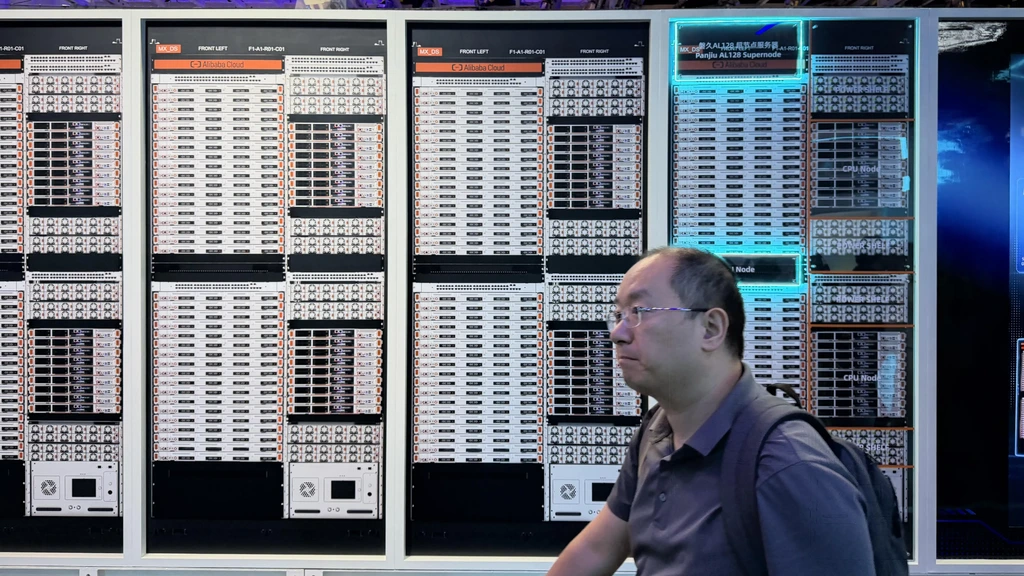
Behind this race is a practical battle: advanced computer chips. AI systems need enormous computing power to work. America is winning this part by blocking China's access to the world's most advanced chips. The Dutch company ASML—which makes the machines that manufacture these chips—has had to stop selling to China because of US export restrictions. According to Chinese experts, this gives American AI companies about six months of technological advantage.
What happens next?
Today's meeting between Trump and Xi will likely not slow down either country's push for AI dominance. Trump doesn't want to give up America's lead, and Xi sees safety calls as attempts to hold China back. However, both sides are taking small steps toward safer AI development and have recently agreed to create an AI safety mechanism to communicate and share concerns. For ordinary people, this matters because whoever wins this race will shape how AI affects jobs, privacy, healthcare, and security worldwide.
Original source: NOS Nieuws Tech