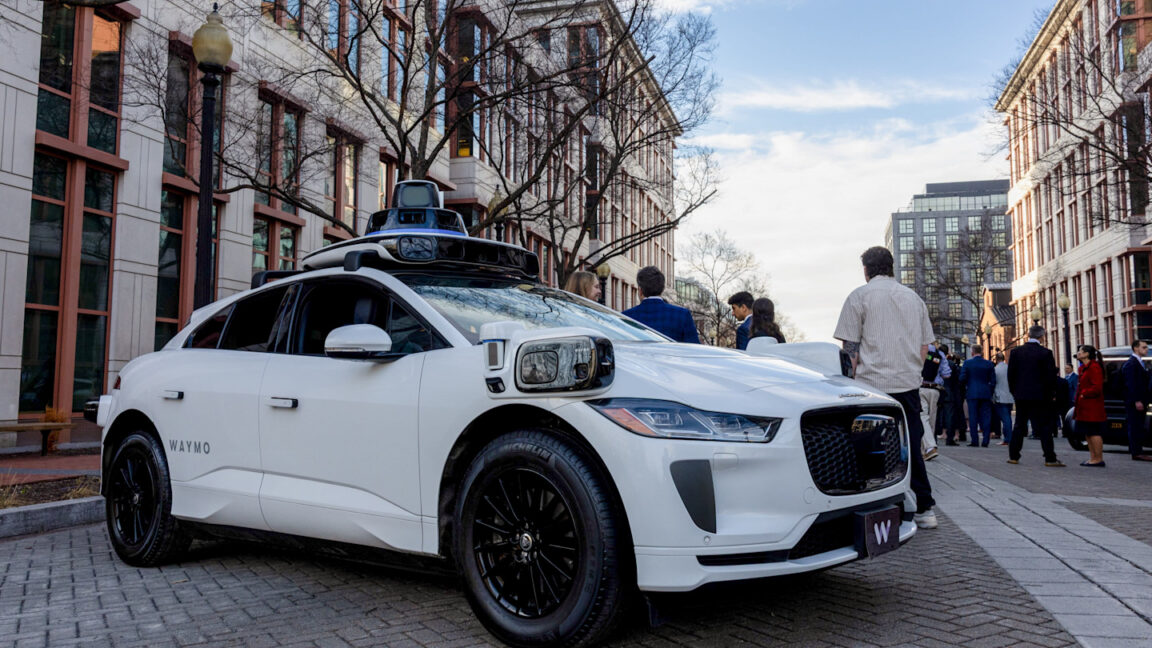
Waymo spends twice as much to influence regulators on robot taxis
Google's self-driving car company is fighting hard to get government approval for driverless taxis. They've doubled their spending on lobbying — that's paying people to persuade politicians and regulators.
Waymo, the self-driving car company owned by Google's parent company Alphabet, is investing heavily in a high-stakes battle over the future of taxis. The company has doubled its spending on lobbying — this means paying professional advocates to persuade US government regulators and politicians — in hopes of clearing the way for fully autonomous taxi services (taxis with no human driver at all).
Why does this matter? Right now, self-driving taxis are still rare and heavily restricted in most places. Waymo wants regulators to approve more cities and regions where their robot taxis can operate. But there's a catch: Uber, the ride-sharing giant, is also pushing its own agenda and competing for the same regulatory approvals. Both companies are essentially fighting over who gets to dominate the future of self-driving taxi services.
Lobbyists meet with government officials, present evidence, and make the case for why their company's technology is safe and ready. It's a common (and legal) practice in business, but it's expensive. By doubling their spending, Waymo is signaling that they're serious about winning this regulatory battle — and that the stakes are very high. The outcome will shape what kind of self-driving taxi services you might see on your city streets in coming years.
Original source: Ars Technica