Can AI actually discover something new in science?
Anthropic's Claude AI is now working in a real biology lab, making guesses about hard problems while human scientists test them. But how do we know if an AI has truly made a discovery?
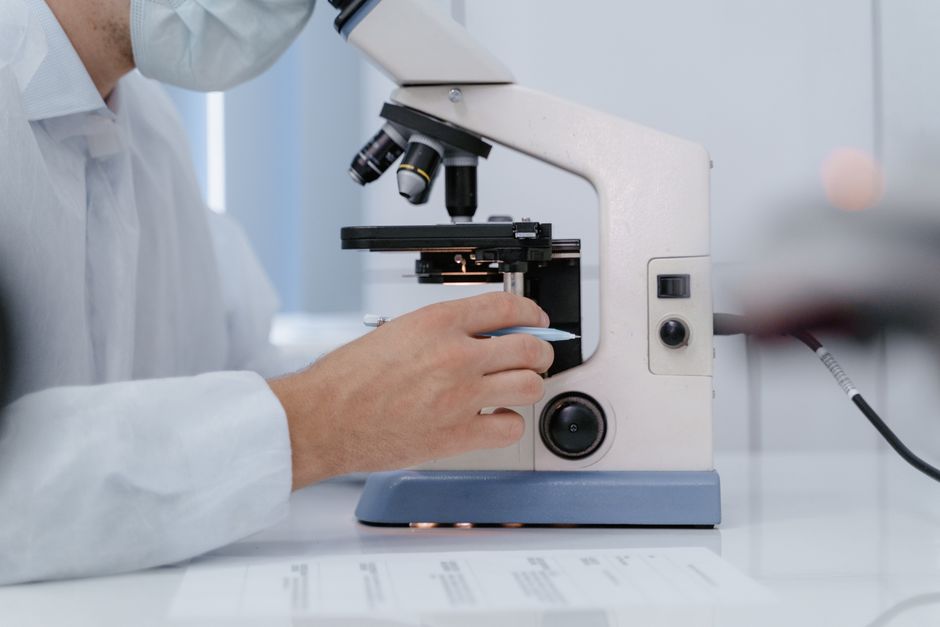
Earlier this year, the company Anthropic did something unusual: they built a molecular biology lab where an AI system called Claude works alongside human scientists. Claude reads scientific papers and thinks through difficult biology problems, then makes predictions. Human researchers then test these ideas in the real world to see if they work.
But this raises a fascinating question: when can we actually say an AI has made a scientific discovery? It sounds simple, but it's trickier than you might think. A real discovery usually means finding something genuinely new—something no one knew before. The challenge is figuring out how much credit goes to the AI, how much to the human scientists, and how much is just the AI pattern-matching from existing research.
This matters because as AI systems become more powerful, companies and researchers will keep using them to solve hard problems. If we don't have a clear answer to this question, we might give AI credit for things it didn't really do, or miss important human contributions that made the discovery possible. It's a bit like asking: if a calculator helps solve a math problem, did the calculator discover the answer, or did the person using it?
Right now, there's no universal agreement on the answer. Some scientists argue that an AI's work only counts as a discovery if humans couldn't reasonably have found it on their own, and they verified the result independently. Others say it depends on how much the AI contributed compared to human judgment and intuition. As AI labs like Anthropic's push forward, this conversation will only become more important.
Original source: MIT Tech Review